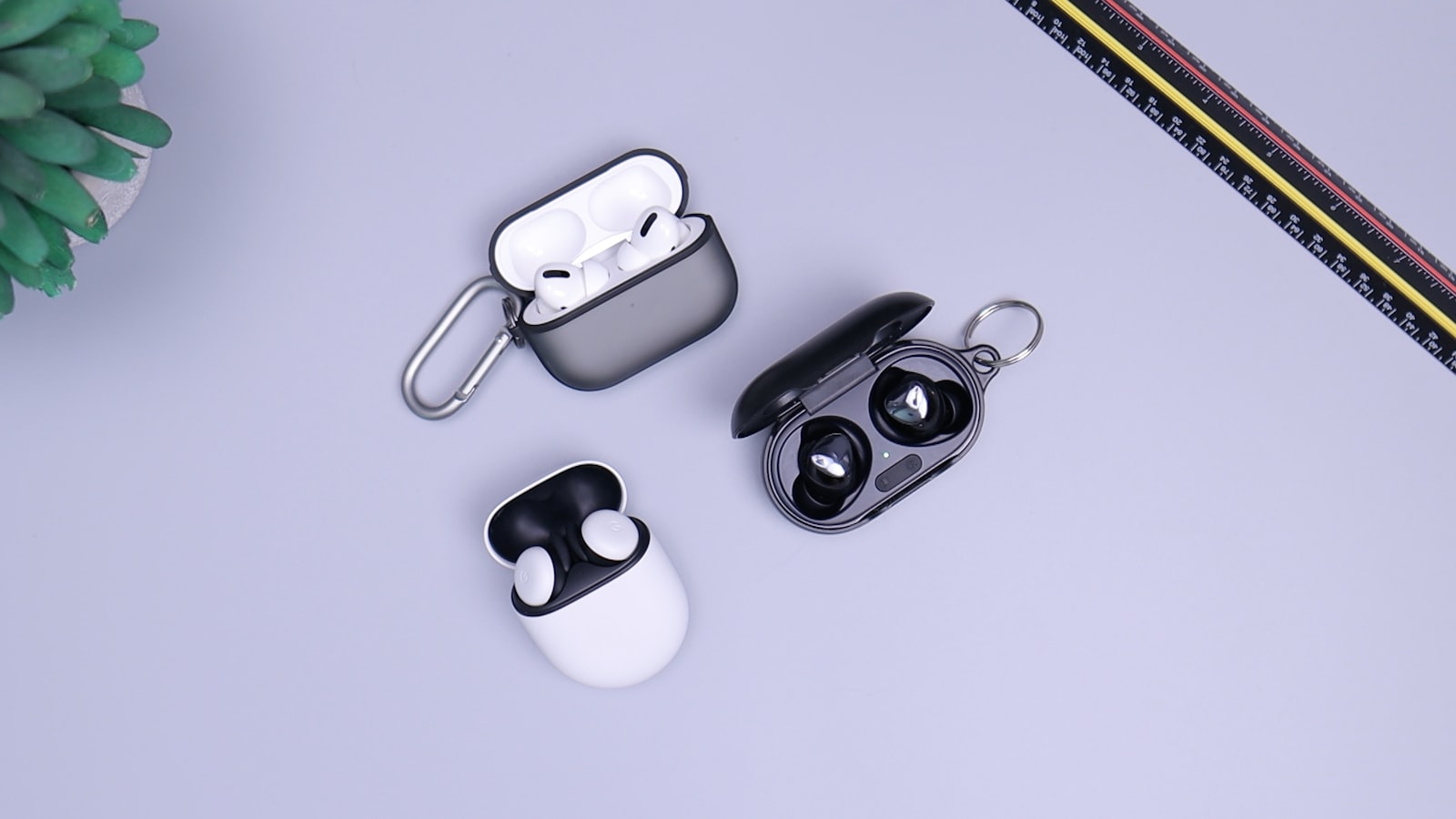
I have lost count of the number of times someone has handed me an expensive pair of in-ear monitors and said, half-apologetically, that they sound thin and bassless. Nine times out of ten the driver is fine. The problem is the seal, and the fix costs nothing but a few minutes of fiddling with the tips that came in the box.
Why the Seal Matters So Much#
An IEM is a tiny sealed pressure system. The driver moves air inside a closed chamber formed by your ear canal, and the ear tip is the gasket that keeps that chamber closed. Break the seal and you open a leak, and a leak does two things at once.
First, it drains the bass. Low frequencies are long, slow pressure waves, and they are the first casualty of any gap. A pinhole of leakage that you cannot even hear as air movement will roll off the sub-bass dramatically. This is why a poorly sealed IEM sounds bright, thin, and fatiguing rather than warm and full.
Second, a broken seal makes you turn the volume up. You are chasing the missing weight and body, and the only lever you have is the volume knob. So you end up listening louder than you need to, which is exactly what you do not want to do with something sitting a centimetre from your eardrum.
The reason this trips people up is that the failure is silent. Over-ear headphones announce a bad fit by physically not sitting right. An IEM can feel perfectly comfortable and secure while leaking. Comfort and seal are two different things, and you have to check both.
The Two Main Tip Materials#
Almost every tip in your accessory bag is either silicone or foam. They are genuinely different tools, and I keep both around.
Silicone#
Silicone tips are the default for good reason. They are firm, easy to insert, easy to clean, and they give you an immediate, springy seal that either works or it does not. Because the flange is rigid, silicone tends to preserve treble detail and gives a slightly more open, airy presentation.
Trade-offs:
- The seal can be inconsistent if your canal shape does not match the flange curve.
- On long sessions the firmer material can create pressure points.
- They pass more outside noise than foam, which is either a pro or a con depending on where you are.
Within silicone you will also see single-flange (the common dome), double- and triple-flange (stacked cones for a deeper, more tenacious grip), and wide-bore versus narrow-bore designs. Wide bores tend to open up the treble; narrow bores can tame a bright IEM and add a touch of warmth.
Foam#
Memory foam tips work completely differently. You pinch them down, insert them, and let them expand to fill the exact shape of your canal. That custom-molded contact is why foam is so forgiving for awkwardly shaped ears and why it usually wins on isolation.
Trade-offs:
- Foam gently rolls off the very top treble, softening detail and sibilance. Some people love this; detail-hunters sometimes do not.
- It wears out. Foam loses its spring over weeks to months and needs replacing.
- Insertion is a small ritual every time, and it is less hygienic over the long run because foam is porous and holds moisture.
My rough rule: reach for foam when you need isolation or your ears reject silicone, and reach for silicone when you want maximum detail and convenience. Neither is objectively better.
Sizing Is Not One Number#
The single most common mistake is assuming your ears are symmetrical and both take the same size. They are often not. I regularly run a medium in one ear and a large in the other, and there is nothing wrong with mixing sizes from the same set. The manufacturer will not know and your ears will thank you.
A few sizing principles I trust:
- Size up before you size down. People instinctively grab the smallest tip that fits, but a slightly larger tip that gently fills the canal usually seals better than a small one rattling around inside it.
- The tip should compress a little. If a silicone tip slides in with zero resistance, it is too small. You want mild contact all the way around.
- Comfort over hours, not seconds. A tip can feel great for thirty seconds and turn into a hotspot after an hour. Do a real listening session before you commit.
If none of the bundled sizes work, that is your cue to look at aftermarket tips, which I will come to.
How to Actually Insert Them#
Getting the technique right matters more than most people realize. The ear canal is not a straight tube; it bends, and you have to work with that geometry.
- Pull the ear back and up. Reach over your head with the opposite hand and tug the top of your ear outward. This straightens the canal so the tip can seat deeper.
- Insert with a slight twist, aiming the nozzle forward toward the bridge of your nose rather than straight back. That forward angle follows the natural path of the canal.
- For foam, pinch, insert, hold. Compress the tip fully, place it, then hold it in position for a few seconds while it expands against the canal walls. Let go too early and it re-expands outside the seal point.
You will know it worked because the bass suddenly arrives. It is a very obvious before-and-after. Some people call it the moment the sound "closes in," and once you have felt it you can chase it every time.
A quick seal test#
Play something with steady sub-bass, then gently press each earpiece a fraction deeper with a fingertip. If the bass swells noticeably when you push, you did not have a full seal, and you need a deeper insertion or a bigger tip. If the sound barely changes, you are already sealed.
Depth, and Why It Beats Buying Pricier Tips#
There is a whole hobby of collecting boutique ear tips, and some genuinely help. But before you spend money, spend depth. A deeper, well-angled fit fixes more problems than a premium tip on a shallow one.
Shallow fits are the enemy. They leak, they wobble loose as your jaw moves, and they exaggerate treble. Getting the nozzle a little deeper into the canal stabilizes the whole system. This is exactly what multi-flange tips are designed to encourage, and it is why some people find them transformative even though they look uncomfortable.
That said, aftermarket tips solve real edge cases:
- Wide-bore silicone if your IEM sounds dull and closed-in and you want to reopen the treble.
- Narrow-bore or foam if your IEM is fatiguingly bright.
- Tips with a stiffer stem if your current ones keep sliding off the nozzle or getting stuck in your ear.
Just be aware that changing tips changes tuning. A wide bore can add perceived treble energy; foam can subtract it. You are not only chasing a seal, you are nudging the sound signature, so evaluate both at once.
Little Things That Sabotage a Good Fit#
A handful of small factors quietly wreck seals:
- Earwax and debris on the tip or nozzle mesh. Clean tips regularly; it affects both hygiene and sound.
- Moisture and sweat, which make silicone slippery and cause it to creep out over a workout. Dry your ears first.
- Chewing and talking. Your canal changes shape as your jaw moves, so test the fit while talking if you take a lot of calls.
- Cold tips. Silicone is stiffer when cold; warming a tip briefly in your hand makes it conform better.
- Tips mounted crooked on the nozzle, which throws off the insertion angle. Seat them squarely.
A Simple Routine That Works#
If you take nothing else away, here is the process I run with every new set of IEMs:
- Start with the stock silicone one size up from your instinct.
- Use the ear-pull-and-twist insertion, aiming forward.
- Do the press test on sub-bass to confirm the seal.
- If one ear leaks, size that ear up independently.
- Live with it for a full listening session and watch for hotspots.
- Only if silicone fails on comfort or isolation, switch to foam.
- Only if the tonal balance is off, experiment with bore width.
Nine times out of ten you will land on a great fit within the box the IEMs came in, no purchase required. Get the seal right and even modest in-ears will surprise you with how full, quiet, and effortless they suddenly sound. The driver was always capable. It was just waiting for you to close the door.