Somewhere along the way, the audio hobby got a reputation for being expensive, intimidating, and a little bit snobby. It isn't, or at least it doesn't have to be. The truth I've learned after years of testing gear at every price point is that the jump from a pair of throwaway earbuds to a genuinely good sub-$100 headphone is the single biggest upgrade you'll ever hear, and it costs less than a nice dinner out.
Why Under $100 Is the Smartest Place to Start#
There's a temptation, once you catch the bug, to read a hundred reviews and convince yourself you need to spend $300 to hear music "properly." Resist it. Not because expensive headphones aren't better, but because your ears aren't ready to appreciate the difference yet, and neither is your sense of what you like.
The under-$100 tier is where the industry's fiercest competition happens. It's the volume segment, the one that pays the bills, so manufacturers pour real engineering into these products. What you give up compared to flagship gear is usually refinement at the extremes, not fundamental competence. A good $80 headphone gets the important 90% right.
Starting here also protects you from an expensive mistake. Until you've lived with a few pairs, you genuinely don't know whether you crave thumping bass, crystalline detail, or all-day comfort above everything else. Cheap headphones are how you learn your own taste, and that knowledge is worth more than any single purchase.
What Actually Matters at This Price#
When people ask me what to look for, they expect me to start rattling off frequency response numbers. I don't, because specs are the least useful part of the story down here. Here's what I actually weigh, roughly in order.
Comfort and Fit Come First#
This surprises newcomers, but I mean it. The best-sounding headphone in the world is useless if you take it off after twenty minutes because your ears are throbbing. Comfort is sound, in the sense that a headphone you'll actually keep on your head is the one you'll actually enjoy.
Things I pay attention to:
- Clamp force. A little pressure keeps the headphone stable and seals the bass in. Too much turns into a vice. You want to forget you're wearing them.
- Earpad depth and shape. Your ears should sit inside the pads, not get squashed by the driver. Shallow pads are the number one comfort killer in budget over-ears.
- Weight distribution. A heavier headphone can feel lighter than a cheap plastic one if the weight is spread properly across the headband.
For earbuds and in-ears, the equivalent is the tips. The single most important thing you can do for in-ear sound is get the seal right. Try every tip size in the box. If none work, a $10 set of aftermarket foam tips has rescued more mediocre earbuds than any firmware update ever could.
A Balanced, Non-Fatiguing Tuning#
The tuning is the "voice" of a headphone, the deliberate way its maker emphasizes or pulls back certain frequencies. On a budget, my advice is boring but correct: favor balance over excitement.
Cheap headphones love to shout. A big bass hump and spiked treble make for an impressive thirty-second demo in a store, but they get tiring fast, and they smear over the midrange where voices and guitars live. A more even-handed, slightly warm tuning is the one you'll still love six months later. It's the difference between a headphone that grabs you and one that keeps you.
Over-Ear, On-Ear, or In-Ear?#
The form factor matters more than most beginners realize, because it shapes how and where you'll actually use the thing.
- Over-ear (around-the-ear). The classic big-cans look. Generally the most comfortable for long sessions and the best passive isolation-plus-soundstage balance. The trade-off is bulk. They're a commitment to wear on a crowded bus, and they get warm in summer.
- On-ear. Smaller cups that press against the ear rather than surround it. More portable, but the comfort ceiling is lower for a lot of people, and they leak more sound. A niche pick unless portability is everything.
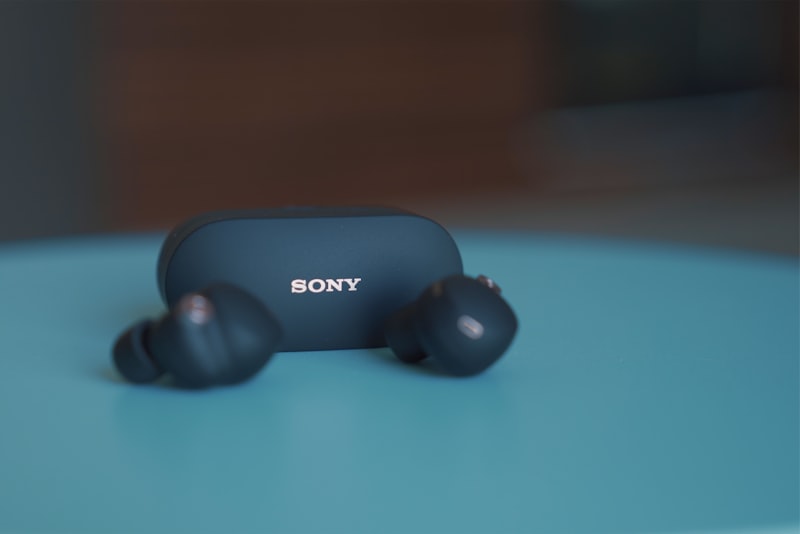
- In-ear (IEMs / earbuds). The best bang-for-buck category right now, full stop. Wired IEMs in particular punch absurdly above their weight because you're not paying for a battery, Bluetooth chips, or plastic housings.
If I had to steer a total newcomer with $60 to spend and no strong preference, I'd point them toward a well-reviewed wired IEM before anything else. You simply get more sound per dollar.
Wired vs. Wireless: An Honest Trade-Off#
I know almost everyone wants wireless. I get it. But I owe you the honest version, so here it is.
At a given price, wired beats wireless on pure sound quality, and it isn't close at the bottom of the market. Every dollar spent on a Bluetooth radio, a battery, an amplifier, and the software to run them is a dollar not spent on the driver and tuning. An $80 wireless headphone is often, sonically, a $40 headphone wearing a $40 convenience tax.
That doesn't make wireless wrong. Convenience is a real feature, and a headphone you'll grab every day beats a "better" one that stays in a drawer because the cable annoys you. Just go in clear-eyed:
- Choose wired if sound-per-dollar is your priority and you mostly listen at a desk or on the couch.
- Choose wireless if freedom of movement genuinely changes whether you'll use them, and you accept paying for that.
- Check the codec situation only lightly. It matters less than the tuning. Don't let a spec sheet talk you out of a better-sounding pair.
One more note: if you go wireless, look for a model that also works as a wired headphone with a cable. It's a lifesaver when the battery dies mid-flight.
Features Worth Paying For (and the Ones That Are Noise)#
Marketing at this price loves to bury the fundamentals under a pile of buzzwords. Let me sort them for you.
Genuinely worth it:
- A detachable, replaceable cable. The cable is the first thing to fail on any headphone. Being able to swap a $8 part instead of trashing the whole pair is huge for longevity.
- Replaceable earpads. Pads flatten and crumble after a year or two of use. If you can buy new ones, you've effectively doubled the lifespan of the headphone.
- A hard case or decent pouch, if you'll travel with them.
Usually overhyped down here:
- Active noise cancellation. Good ANC is expensive to implement. Cheap ANC often adds a faint hiss, warps the tuning, and creates an odd pressure sensation, all while underperforming. Passive isolation from a good over-ear seal or a well-fitted IEM frequently beats budget ANC, without the downsides.
- Companion apps and endless EQ presets. A nice extra, not a reason to buy. If a headphone needs heavy EQ to sound acceptable, it wasn't tuned well to begin with.
- "Hi-Res Audio" logos and giant driver sizes. Bigger drivers aren't automatically better, and the certification stickers tell you almost nothing about how something actually sounds.
Durability: The Spec Nobody Prints#
Here's the part reviews skip because it takes years to observe: budget headphones live hard lives. They get stuffed in bags, sat on, yanked by the cable, and dropped on tile floors. A pair that sounds slightly worse but survives three years is a far better buy than a fragile marvel that cracks at the headband hinge in month eight.
What I look for as durability tells:
- Metal or reinforced stress points, especially the headband yokes and hinges where over-ears almost always break first.
- Strain relief where the cable meets the plug and the earpiece.
- A brand with a track record of selling spare parts. That's a quiet signal the company expects you to keep the product, not replace it.
You can't fully judge this in a store, but you can read long-term owner comments and search a model name alongside the word "broke." The failure patterns show up fast.
How to Actually Choose Yours#
Reviews, including mine, are a starting point, not a verdict. Ears differ, and so do heads. Here's the practical process I'd give a friend:
- Decide the form factor based on where you'll listen, using the section above.
- Set a firm ceiling and ignore everything above it. Choice paralysis is the real enemy.
- Shortlist two or three well-regarded models in your form factor and price.
- Prioritize the fundamentals on that list: comfort, balanced tuning, replaceable parts.
- Buy from somewhere with a return window. This is the most important step. Nothing replaces hearing a pair on your own head with your own music.
Give any new pair a real chance, too. Live with a headphone for a week before judging it. First impressions favor the loud and the flashy; the qualities that make you love a pair long-term reveal themselves slowly. Some of my favorite budget headphones sounded merely "fine" on day one.
The Bottom Line#
You do not need to spend a lot to hear something genuinely good, and starting cheap isn't a compromise, it's the smart move. Get the fit right, favor a balanced tuning over a flashy one, ignore the feature bloat, and lean toward gear you can repair rather than replace. Do that, and your first sub-$100 pair won't just be a stepping stone to something pricier. There's a real chance it becomes the pair you keep reaching for, long after you've learned enough to spend more and chosen not to.